How Pilates strengthens your body, improves balance & creates real mobility
Pilates isn’t just “a good workout,” it’s a system that rewires how your body organizes itself. Most people already exercise. They stretch, strengthen, and stay active, yet still feel tight, unstable, or sore in the same areas. They might feel strong in some movements and weak in others, or flexible one day and restricted the next. Pilates addresses that mismatch by teaching the body how to coordinate movement instead of just working individual muscles.
Strength, balance, mobility, and control all working together. The benefits aren’t random, they’re intentional and they build as you progress.
Strength that starts at your core
Pilates builds strength from the deepest layers of your body outward, by creating integrated, functional power. In Pilates, strength isn’t created by isolating muscles. It’s created by coordinating them. Instead of one area working hard while others compensate, the body learns to distribute effort across the whole system.
How Pilates strengthens you:
What most people notice first isn’t how “hard” an exercise is, it’s that the movements feel more controlled.
Core activation (your “powerhouse”): Every movement originates from your core: transverse abdominis, obliques, pelvic floor, diaphragm, and deep back extensors. You learn to support movement, not just muscle through it.
Eccentric control: Pilates emphasizes lengthening under tension, which builds strength that’s long, supportive, and joint-friendly.
Full-body integration: No isolated, random reps, everything works together: arms connect to back, legs connect to pelvis, ribs connect to breath.
Balanced muscle development: You strengthen the muscles that stabilize your joints as much as the ones that move them — which reduces pain, improves alignment, and makes you feel strong in daily life.
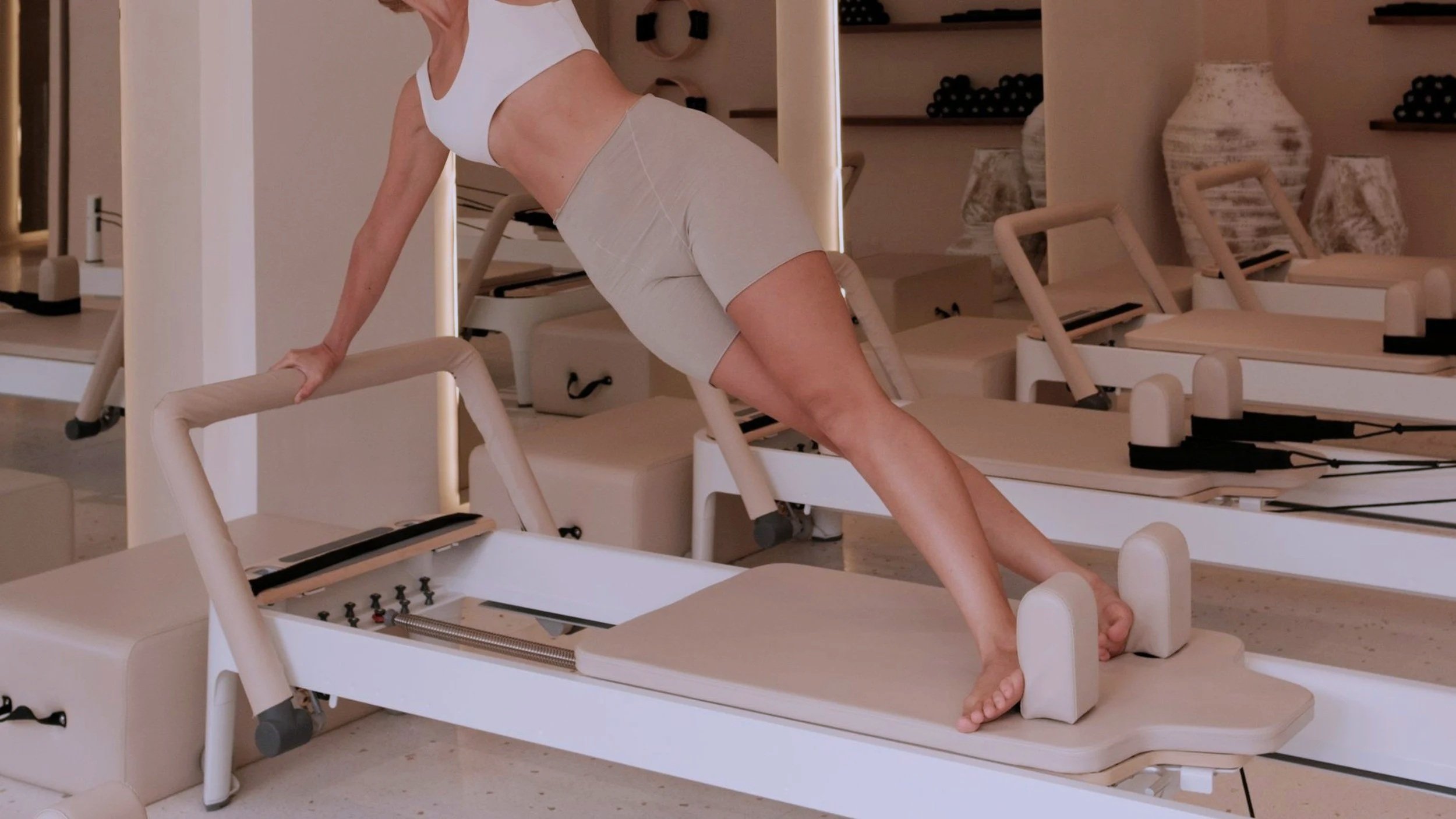
What it feels like:
Your core is more “online.” Pilates creates strength you can feel in your posture, your breath, and the way you move through your day.
Balance, stability, and control
Pilates improves balance by training your body and brain to communicate more efficiently.
How Pilates builds balance:
Deep stabilizers turn on: Your ankles, hips, core, and spine learn to contribute instead of checking out.
Proprioception (your body’s GPS): You learn where your body is in space - proprioception - even in dynamic movements. Over time, the body stops reacting late and starts anticipating movement. That’s why balance improves both during exercise and in everyday activities.
Single-leg work + unstable surfaces: Reformer, mat, tower/cadillac . . . all challenge your core strength and balance in a way that requires control, not panic.
Strength + alignment = automatic balance: When your joints stack better, your balance improves without trying harder.
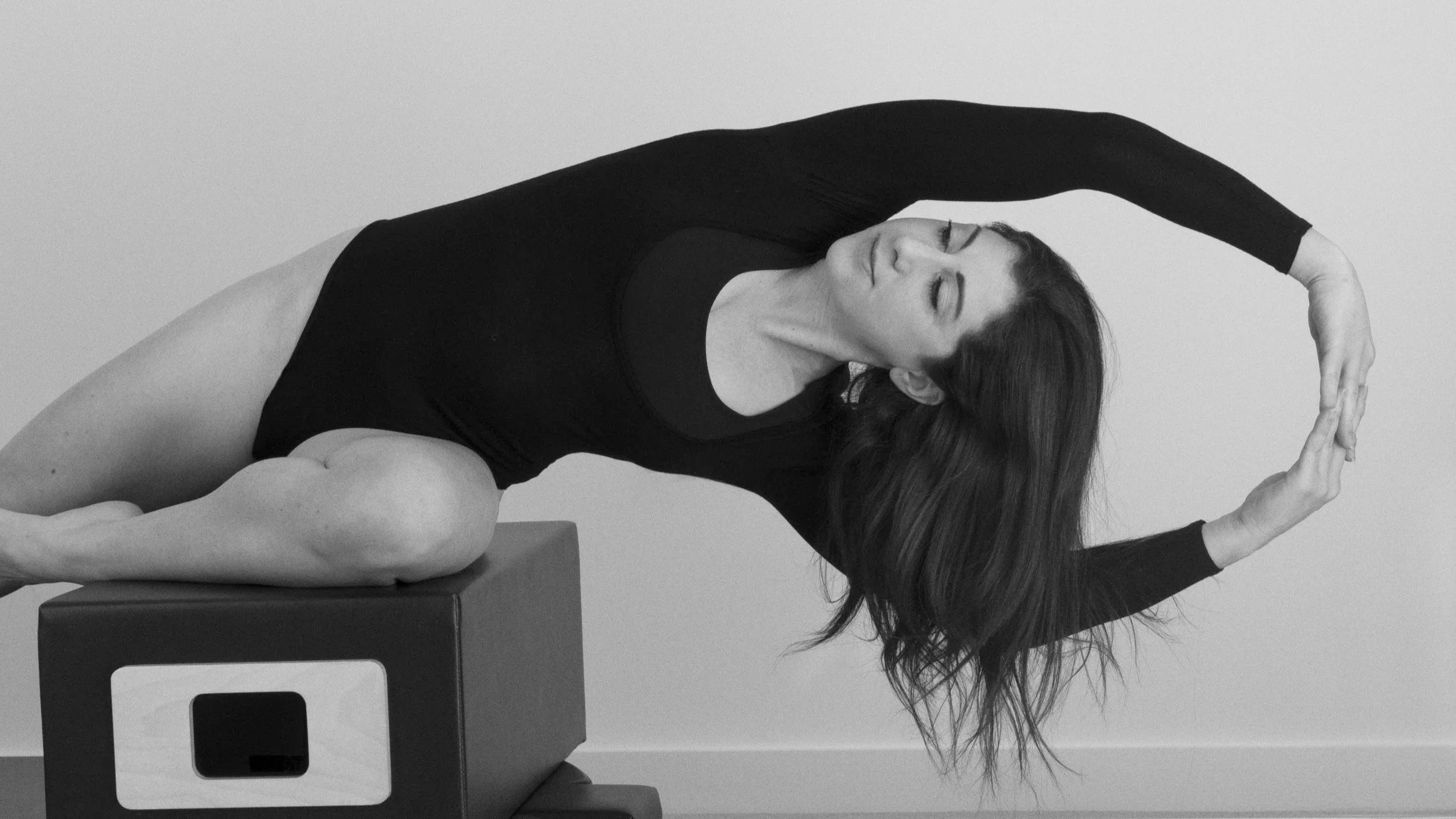
What it feels like:
You move with more confidence, smoother transitions, and better control in everything throughout your day.
Mobility, flexibility, and controlled range
Pilates mobility work isn’t about how far you can stretch. It’s about creating usable range of motion supported by strength and breath. Flexibility without strength is temporary. Pilates builds strength within the range of motion, which is why the changes tend to last.
How Pilates improves mobility:
Spinal articulation: Roll downs, bridges, swan prep, these are movements that teach your spine to segment instead of moving like one stiff block.
Joint decompression: The method encourages length (not compression), giving your joints space to move. “Inhale as you grow taller.”
Strength + stretch together: You mobilize while stabilizing, which creates range you can actually control.
Breath-based expansion: Lateral breathing improves rib mobility, core support, and thoracic extension — all essential for posture and pain reduction.
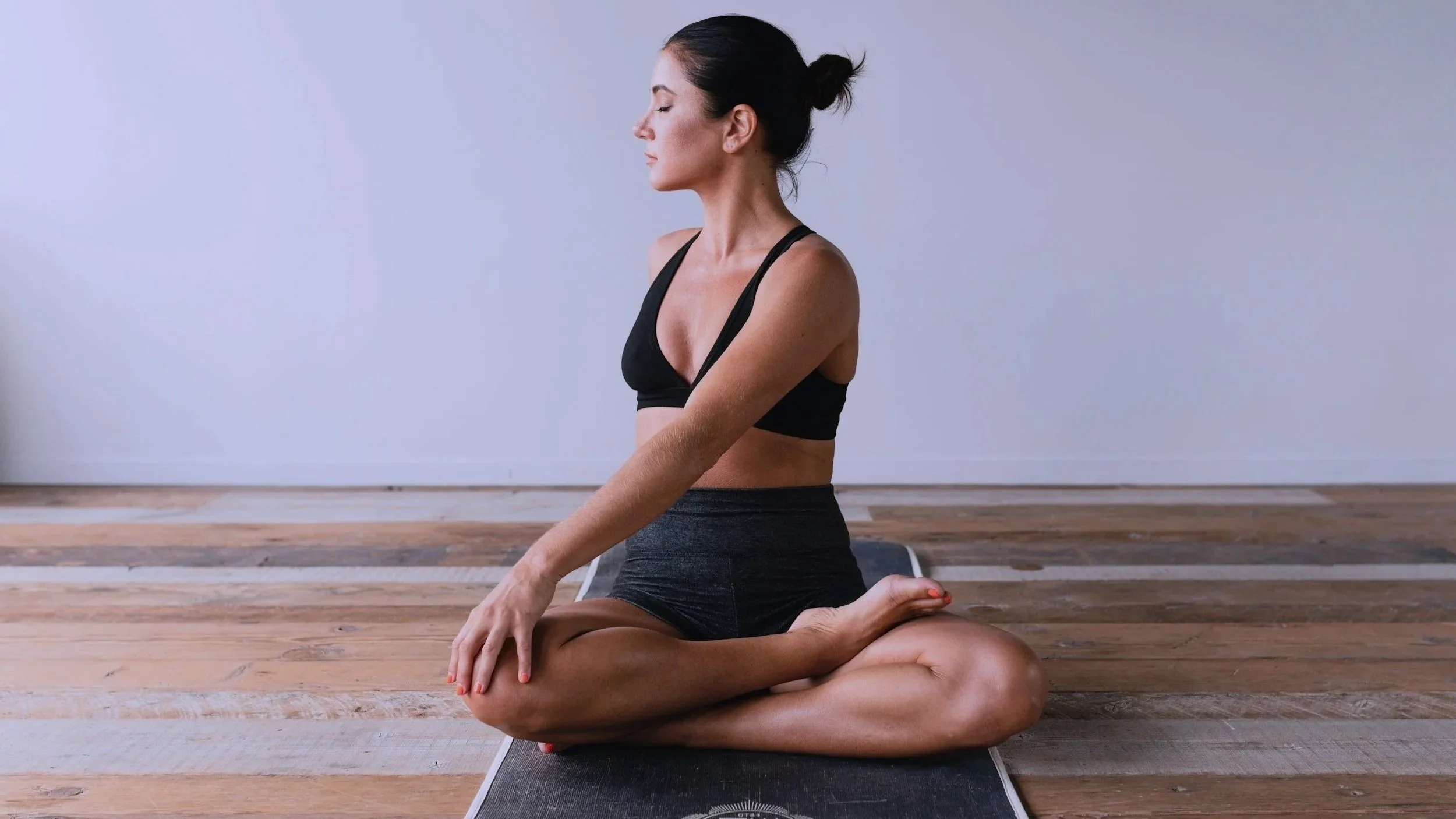
What it feels like:
You feel taller, more open, less tight, and more “fluid” in your daily movements.
Additional benefits: the magic of pilates
These changes aren’t separate benefits. They’re downstream effects of improved movement. When the body moves more efficiently, posture, comfort, and performance often improve at the same time.
Better Posture: Pilates strengthens the muscles that hold you upright and teaches your body to align with less effort.
Improved Mind-Body Connection: You learn to feel movement in a new way. Precise, intentional, calm, and controlled.
Reduced Pain & Injury Prevention: By correcting movement patterns and strengthening stabilizers, Pilates reduces:
Low back pain
Hip and SI joint instability
Neck and shoulder tension
Knee discomfort from misalignment
Enhanced Athletic Performance: Pilates gives athletes (and everyday humans) better:
Power transfer
Rotation
Agility
Endurance
Body mechanics
Stress Reduction: Breath, control, presence — the nervous system loves it.
Hormone-Friendly Strength: Especially for women 40+, Pilates supports
Joint longevity
Core and pelvic floor health
Better posture
Strength without burnout
Recovery between heavy lifting days
How you feel after class:
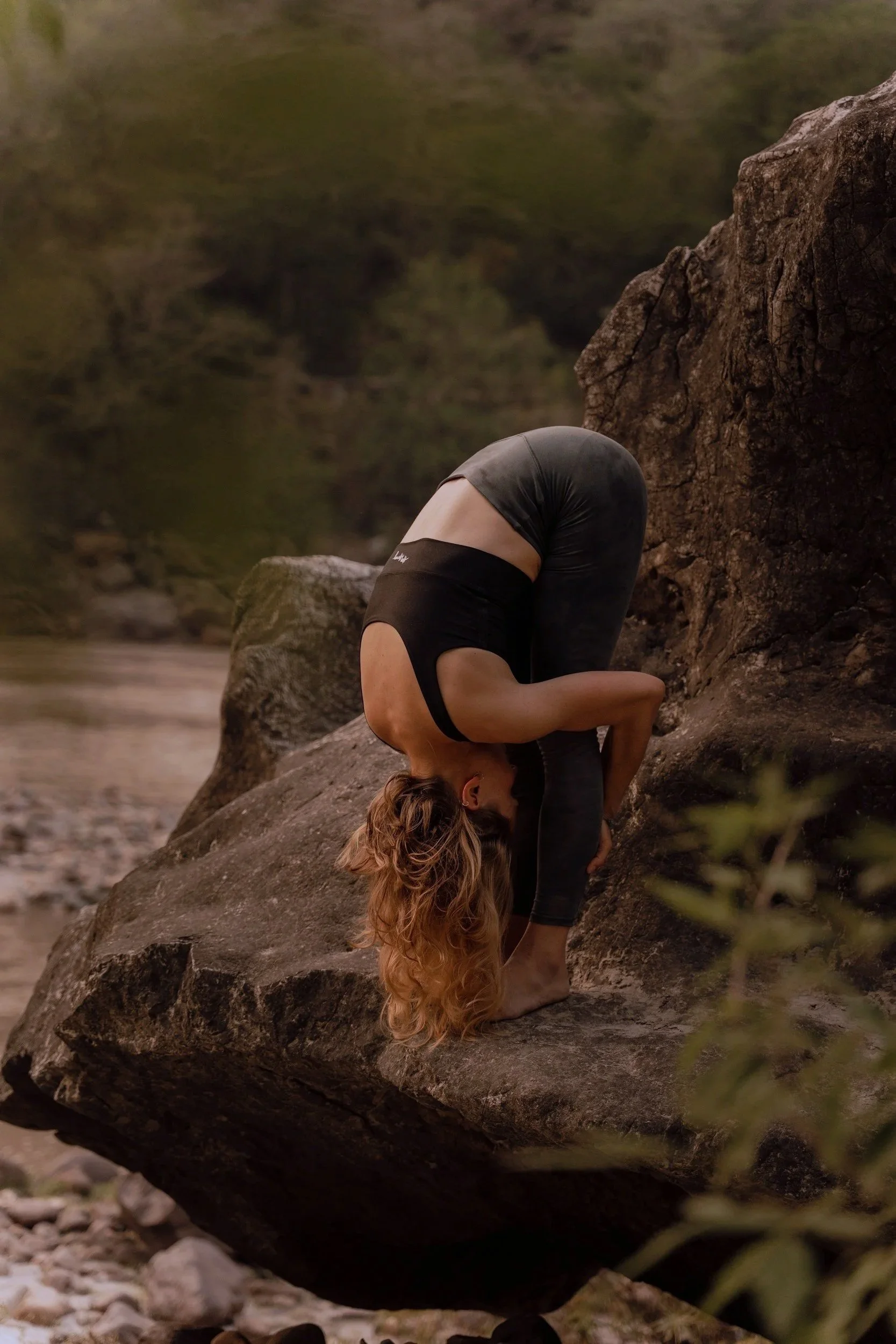
Grounded. Aligned. Strong
Your nervous system, muscles, and breath all working together for better strength, balance, and mobility.
You walk out taller. You breathe deeper. You feel…reset.
One of the reasons Pilates creates such lasting change is that it teaches your body and brain together — something that becomes especially important as we get older. I wrote more about why learning over 40 feels different and how to make it stick here.